
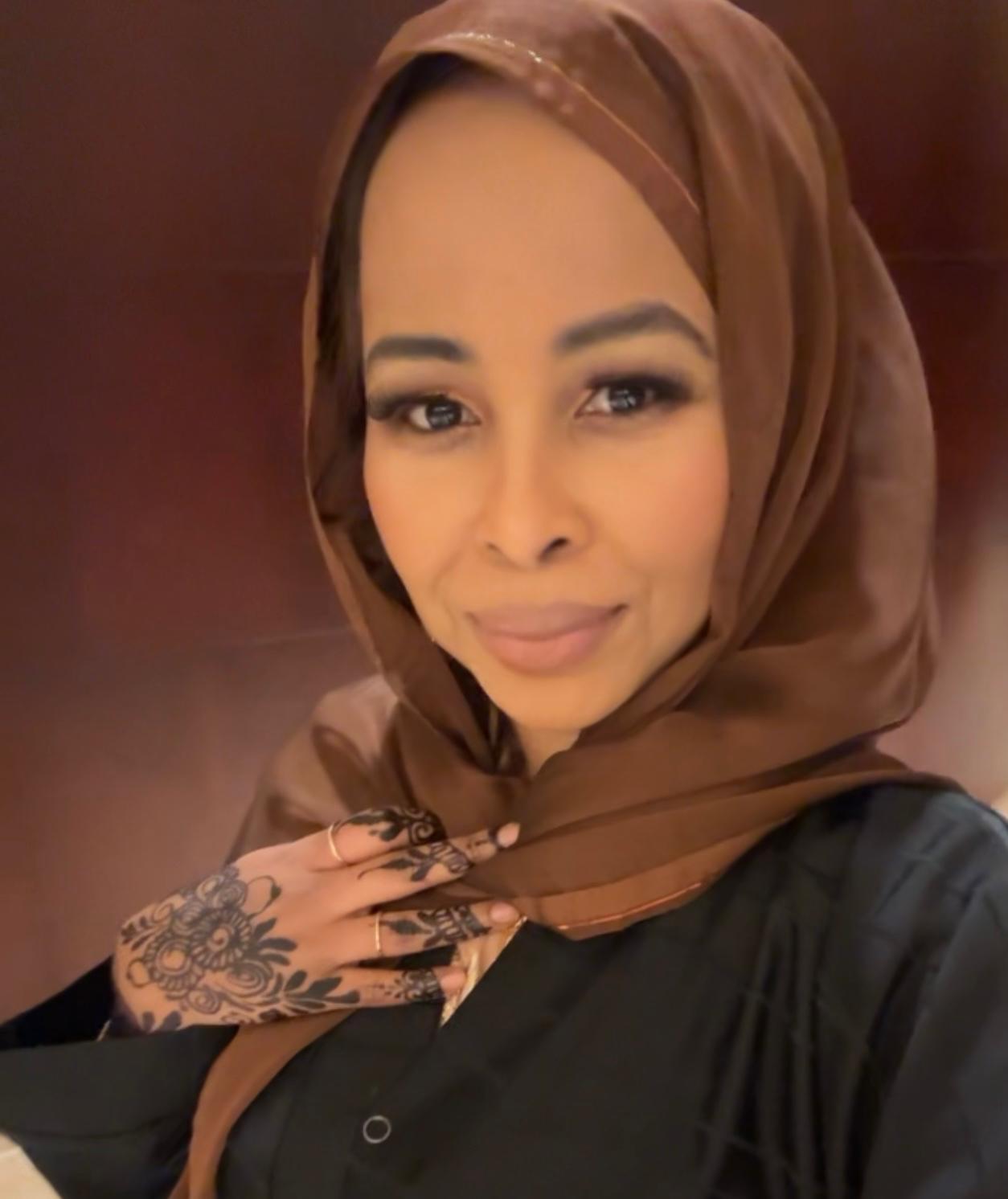
You have done everything right. You finished your education, built a career, stayed connected to your deen, and kept your family close. You are ready for the next chapter. You want nikah. You want a partner who shares your values, your culture, and your vision for life. And yet here you are, still single, scrolling through your phone at midnight wondering if it is ever going to happen.
If that sounds familiar, know this: you are not alone. Not even close.
Across cities like London, Toronto, Minneapolis, Melbourne, and Columbus, thousands of Somali singles are in the exact same position. They are serious about marriage, grounded in their faith, and genuinely ready to build a life with someone. The desire is there. The intention is there. What is missing, more often than not, is simply the opportunity.
Why finding your person feels harder than it should
There is a particular frustration that comes with being guur-doon (actively seeking marriage) in the Somali diaspora. It is not that you are too picky or not trying hard enough. The reality is that the circumstances are genuinely difficult in ways that previous generations never had to deal with.
Start with geography. Somali communities are scattered across dozens of countries and hundreds of cities. You might be one of a handful of Somali families in your town, or you might live in a city with a larger community but still struggle to meet someone compatible. The person who is right for you could be two cities over, in another state, or on a different continent entirely. Unlike back home, where families lived in close proximity and word traveled fast, the diaspora has spread us thin.
Then there is the reality of professional life. Many Somali singles in their late twenties and thirties are deep in demanding careers. Between long work hours, further education, and the everyday responsibilities of adult life, there is simply not much time left to actively search for a spouse. You cannot attend every community event, and even when you do, there is no guarantee you will meet someone who is looking for the same things you are.
The pool feels small because, in many ways, it is. When you factor in age, location, compatibility, and shared values, the number of realistic options in your immediate circle can feel discouragingly limited. This is not a reflection of something wrong with you. It is a structural problem, and recognizing that is the first step toward solving it.
The pressure you carry (and rarely talk about)
Let us talk about what makes the search even heavier: the weight of expectation.
If you are Somali and single past a certain age, you know the routine. Hooyo brings it up at dinner. Aunties mention it at weddings. Relatives back home call to ask, sometimes gently, sometimes not so gently, when you are planning to settle down. The questions come from a place of love, but that does not make them easier to hear when you do not have an answer.
In Somali culture, marriage is not just a personal milestone. It is a communal one. Your family feels your singleness almost as much as you do. They worry. They pray. They sometimes try to help in ways that feel more like pressure than support. And beneath all of it, there is an unspoken stigma that lingers around being unmarried past your mid-twenties, especially for women.
The truth that rarely gets said out loud is this: the timeline has changed, but the expectations have not. Previous generations often married young, sometimes before finishing school, in a context where extended family handled much of the logistics. Today, Somali singles are navigating immigration systems, building careers from scratch, paying off student loans, and trying to establish themselves in countries their parents never planned to live in. Of course the timeline looks different. It has to.
For the sisters: caught between patience and action
Somali women who are serious about marriage often find themselves in a uniquely frustrating position. Culturally, there is an expectation to wait. To be chosen. To let the process unfold through family channels and trust that Allah will send the right person at the right time. And while tawakkul (trust in Allah's plan) is absolutely essential, it was never meant to replace effort.
The reality is that many Somali women are highly educated, professionally accomplished, and deeply intentional about what they want in a partner. They are not sitting around passively. But expressing that you are actively looking for a spouse can feel uncomfortable in a culture that sometimes conflates a woman's initiative with desperation.
Here is what needs to be said clearly: there is nothing desperate about knowing what you want and taking steps toward it. Being proactive about your search for a spouse is not a weakness. It is wisdom. The Prophet (peace be upon him) encouraged making things easy when it comes to marriage, and that applies to the search itself, not just the process after you find someone.
You can honor your values, maintain your dignity, and still put yourself in spaces where you are more likely to meet someone compatible. These things are not in conflict.
For the brothers: carrying expectations quietly
Somali men face their own version of this pressure, and it often goes unacknowledged. The expectation to be financially "ready" before even considering marriage can feel like an impossible bar, especially in expensive Western cities where the cost of living keeps climbing.
There is a weight that comes with knowing your family expects you to provide a certain standard of life before you can seriously pursue nikah. Mahr, wedding costs, housing, and the general expectation of financial stability can turn marriage from a spiritual goal into a financial mountain. Some brothers delay the search for years, quietly working and saving, while the loneliness of that wait takes its toll.
What gets lost in this dynamic is that readiness for marriage is not just financial. Emotional maturity, spiritual grounding, good character, and a genuine desire to be a partner all matter just as much. Many Somali women understand the financial realities of diaspora life and are willing to build together rather than expecting everything to be perfect from day one. But that conversation rarely happens because the cultural script has already been written.
If you are a brother who is serious about marriage but feels stuck because of financial pressure, know that your situation is more common than you think, and that the right person will see your effort and your intention, not just your bank account.
Why the old ways are not enough anymore
Traditionally, the path to marriage in Somali culture ran through family networks. Your hooyo would talk to her friends. An aunt would know a family with a good son or daughter. The masjid community would facilitate introductions. And for many people, this system worked beautifully.
But the diaspora has changed the equation. Families are smaller and more spread out. Many parents do not have the extensive networks they would have had back home. Community events happen less frequently, and when they do, they are not always set up in ways that lead to meaningful connections. The masjid might be a place of worship, but it is rarely a place where singles can comfortably meet and get to know potential partners.
This does not mean traditional networks are useless. They still play a valuable role, and family involvement in the marriage process is something worth preserving. But relying on them as your only avenue is like fishing in one small pond when the ocean is right there. The Somali diaspora is global, and your calaf (your destined partner) might be anywhere in it.
Being intentional without being desperate
There is a fine line between actively seeking marriage and letting the search consume you, and it is important to walk it carefully.
Being intentional means knowing your values, understanding what you need in a partner, and putting yourself in environments where you are likely to meet compatible people. It means being open to conversations, saying yes to introductions, and not dismissing possibilities before giving them a fair chance.
What it does not mean is saying yes to anyone out of fear, rushing into something because of age pressure, or compromising on things that genuinely matter to you. Sabr (patience) is not passivity. It is the discipline to keep going, keep trusting, and keep putting in effort even when the results are not immediate.
The Islamic framework for this is clear: tie your camel and trust in Allah. Tawakkul and action are not opposites. They are partners. You make your effort, you do your due diligence, you show up with sincerity, and then you trust that Allah's timing is perfect even when it does not match your timeline.
This mindset shift, from anxious searching to grounded intentionality, changes everything. It takes the desperation out of the process and replaces it with purpose.
How Sahan is built for this moment
This is exactly why Sahan exists. We built Sahan because we saw the gap between what Somali singles needed and what was available to them. The diaspora is vast, the desire for marriage is real, and the tools to connect serious, marriage-minded Somali singles across borders simply were not there.
Sahan is designed specifically for Somali Muslims who are looking for nikah, not casual connections, not endless swiping, not a space where your culture is an afterthought. Every feature is built with the understanding that marriage in our community involves families, faith, and intention. We are not trying to reinvent Somali values. We are trying to give them a platform that matches the reality of diaspora life.
Whether you are in London or Minneapolis, Nairobi or Stockholm, Sahan connects you with Somali singles who share your seriousness about marriage. The community is growing every day, and the stories of people finding their calaf through the platform remind us why this work matters.
You do not have to limit your search to whoever happens to be in your immediate circle. Your person might be in a city you have never visited, living a life that mirrors yours in all the ways that matter. Sahan makes that connection possible.
Your calaf is out there
If you are reading this and you are tired of waiting, tired of the questions, tired of feeling like you are the only one going through this, take a breath. You are one of thousands. Thousands of good, sincere, marriage-minded Somali singles who are doing their best and trusting the process.
Your calaf is written. That is a belief we hold as Muslims, and it is also a comfort. But "written" does not mean "delivered to your door without effort." It means the outcome is in Allah's hands, but the journey is yours to walk. So walk it with confidence. Walk it with intention. Walk it with the knowledge that wanting marriage is not a flaw, it is a sunnah.
And when the search feels long, remember: every person who found their partner also had a "before." A season of waiting, of wondering, of almost giving up. You are in your "before" right now. What comes next might be closer than you think.
Download Sahan today and take the first step toward finding your person.
Ready to Find Your Match?
Join thousands of Somali Muslims finding meaningful connections through Sahan.