
The Somali Wedding (Aroos): A Complete Guide to Celebrations and Traditions
Faith & Culture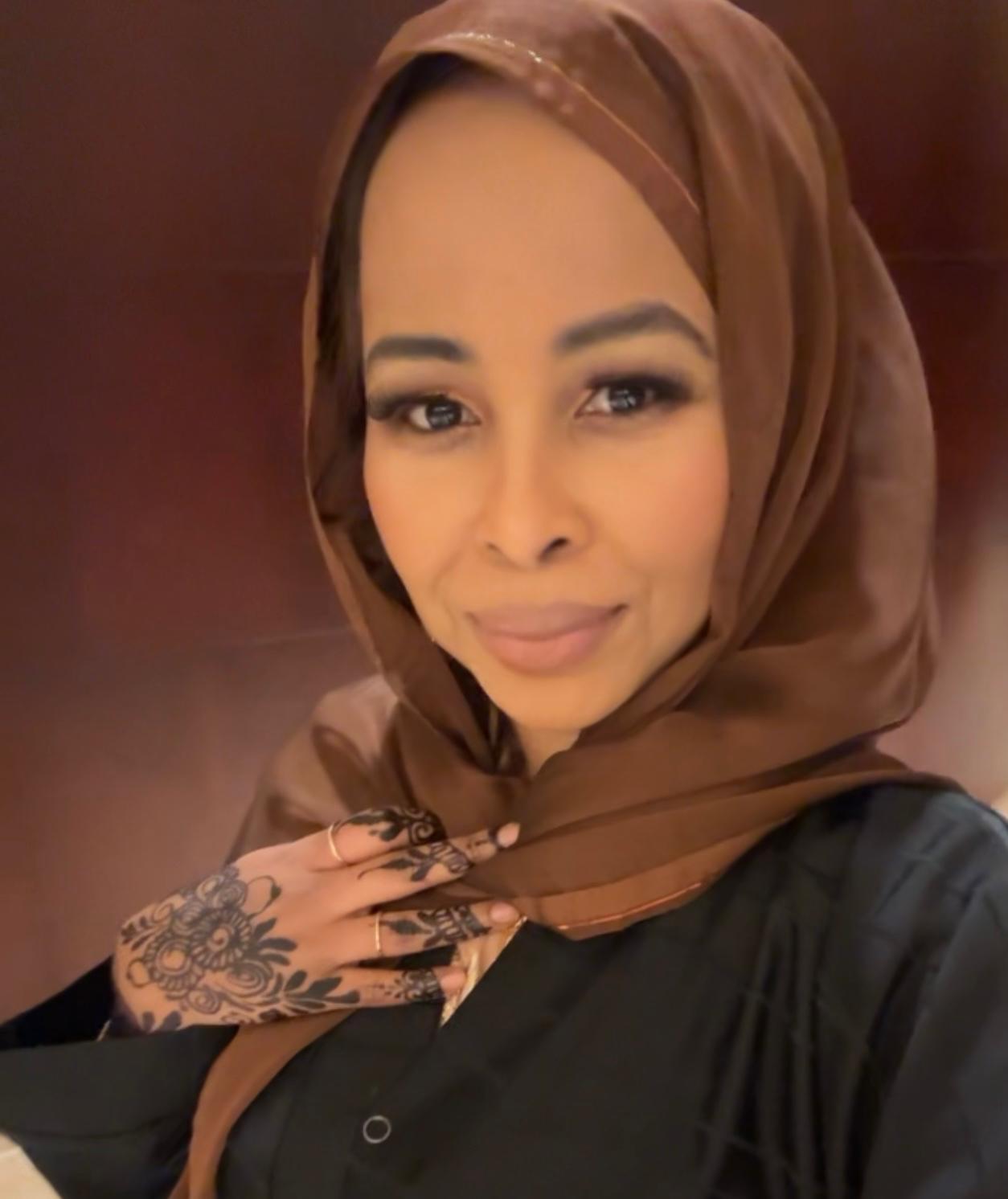
If you have ever attended a Somali wedding, you know it is not something you forget. The colors, the food, the poetry, the energy of a room full of family singing together. The Somali aroos is one of the most vibrant wedding traditions in the Muslim world, and it carries a depth of meaning that goes far beyond a single ceremony. It is a celebration of two families becoming one, of faith made public, and of a community coming together to witness and honor a new beginning.
Whether you are planning your own aroos, attending one for the first time, or simply curious about Somali wedding culture, this guide covers everything from the nikah to the walimah, traditional clothing to modern adaptations across the diaspora.
What Does Aroos Mean?
In Somali, "aroos" (also spelled "caruus") refers to both the wedding celebration and the bride herself. The word carries a sense of joy and festivity. When someone says "aroosad," they are speaking about the bride specifically, while the broader aroos encompasses the entire multi-day event.
For Somali families, the aroos is one of the most important milestones in a person's life. It is not treated as a private affair between two individuals. It is a communal event, deeply rooted in both Somali cultural identity and Islamic tradition. Families on both sides are active participants in the planning, financing, and hosting of the celebrations. Elders play a central role, and the event itself is an expression of gratitude to Allah for bringing two people together.
The significance of the aroos goes beyond romance. It is an affirmation of family bonds, a public declaration of commitment, and an occasion for generosity. Guests are fed lavishly, gifts are exchanged, and the celebration often stretches across several days.
The Key Events of a Somali Wedding
A Somali wedding is not a single event but a series of celebrations, each with its own character and purpose. While the exact structure varies by family and region, most Somali weddings include the following key moments.
The Nikah Ceremony
The nikah is the Islamic marriage contract, and it is the spiritual and legal foundation of the entire wedding. It is typically conducted by a sheikh or imam, often at a mosque or at the home of the bride's family. The groom, the bride's wakil (representative, usually her father or a male relative), and two witnesses are present. The meher (mahr), the obligatory gift from the groom to the bride, is agreed upon and announced.
The nikah is often a more intimate gathering compared to the larger celebrations that follow. It is a solemn, beautiful moment. Prayers are recited, and the marriage is made official in the eyes of Allah and the community. In many families, the nikah takes place days or even weeks before the main wedding party, giving the couple time to prepare for the celebrations ahead.
The Shaash Saar
The shaash saar is one of the most beloved traditions in Somali weddings. It is a bridal event, typically hosted by the women in the groom's family, where the bride is formally welcomed into her new family. The centerpiece of the event is the draping of a shaash (a decorative cloth or shawl) over the bride's head by her new mother-in-law or senior female relatives from the groom's side.
This act is deeply symbolic. It represents acceptance, blessing, and the merging of two families. The room is usually filled with women singing traditional Somali songs, reciting poetry, and showering the bride with gifts of gold, fabric, and perfume. The atmosphere is warm and emotional. Many brides describe the shaash saar as one of the most meaningful moments of their entire wedding experience.
In recent years, the shaash saar has grown into a larger, more elaborate event in many diaspora communities. Some families host it as a full reception with catering, decorations, and professional photography, while others keep it intimate and traditional.
The Walimah (Wedding Feast)
The walimah is the grand wedding feast, and it is a sunnah of the Prophet Muhammad (peace be upon him), who encouraged Muslims to celebrate marriages publicly with food and gathering. In Somali culture, the walimah is often the largest and most festive part of the aroos.
Hundreds of guests may attend. The food is abundant, the venue is decorated, and the evening is filled with music, poetry, and dancing. The walimah is where the broader community comes together to celebrate, and it is considered an act of generosity and gratitude to feed guests well.
The Evening Celebration
Many Somali weddings include a separate evening party, sometimes on the same day as the walimah and sometimes on a different night. This is typically the most energetic part of the wedding, with music, dancing, and entertainment. In some families, the evening celebration is gender-mixed, while in others, men and women celebrate separately. The format depends on the family's preferences and level of religious observance.
Traditional Somali Wedding Clothing
Somali wedding attire is known for its elegance and color. The bride's outfit is often the most talked-about element of the celebration.
The dirac is the traditional Somali dress worn by women. It is a long, flowing garment made from lightweight fabric, often in vibrant colors like gold, red, teal, or burgundy. For weddings, the dirac is typically made from luxurious materials such as silk or chiffon, and it is paired with a garbasaar, a matching shawl draped over one shoulder or around the body. The combination of dirac and garbasaar is iconic in Somali fashion, and brides often change outfits multiple times throughout the wedding celebrations, wearing different diracs for the nikah, shaash saar, and walimah.
In addition to the dirac, many modern Somali brides also wear a Western-style white wedding gown for part of the celebration, blending cultural traditions with contemporary fashion.
For men, the traditional garment is the macawiis (also known as a ma'awis or sarong), a wraparound cloth worn around the waist. Grooms may wear a macawiis for certain parts of the celebration, particularly more traditional or intimate gatherings. For the main walimah, many grooms opt for a tailored suit, sometimes paired with a Somali-style shawl or cultural accessories.
Food Traditions
Food is central to the Somali aroos. A wedding without abundant, delicious food would be almost unthinkable. The menu is a reflection of Somali culinary culture at its finest.
Hilib (meat, usually goat or camel) is the star of the table. It is often roasted, grilled, or prepared in rich stews with aromatic spices like cumin, coriander, cardamom, and turmeric. Bariis (rice), cooked with spices and sometimes raisins or vegetables, is served alongside the meat as a staple.
Sambusa (the Somali version of the samosa) is a beloved appetizer, filled with spiced meat or vegetables and fried until golden. No Somali wedding is complete without trays of sambusa circulating among guests.
And then there is halwa, the dense, sweet confection made from sugar, cornstarch, ghee, and cardamom. Somali halwa is nothing like the Middle Eastern varieties most people know. It is rich, sticky, and deeply aromatic, often served on platters for guests to share. It is the crown jewel of the dessert table and a labor of love to prepare.
Other common dishes include canjeero (a sourdough flatbread), suqaar (sauteed meat), and fresh fruits. Tea, particularly shaah (Somali spiced tea with cardamom, cloves, and cinnamon), flows continuously throughout the celebrations.
Music, Poetry, and Dancing
Somali culture has a deep tradition of oral poetry, and weddings are one of the most important occasions for this art form. Elders and family members may recite poems honoring the couple, offering wisdom about marriage, or expressing gratitude. These poems can be deeply moving, drawing on centuries of Somali literary tradition.
Music and dancing are equally important. Traditional Somali songs, often performed by live musicians or played from recordings, fill the celebration. Women may perform the niiko, a traditional Somali dance characterized by graceful shoulder and hip movements. The energy of a room full of Somali women dancing and singing together is unforgettable.
In some families, particularly those with stronger religious observance, music may be replaced with nasheeds (Islamic vocal songs without instruments) or spoken-word poetry. The format varies, but the spirit of joy and celebration remains constant.
Somali Weddings in the Diaspora
Over the past few decades, Somali communities have established roots across the world, and wedding traditions have evolved to reflect life in new countries while preserving cultural identity.
In the United Kingdom, cities like London, Birmingham, and Bristol are home to large Somali communities. Weddings there often take place in banquet halls and community centers, blending Somali traditions with British venue culture. The shaash saar and walimah remain central, though the scale and style may reflect a British context.
In the United States, cities like Minneapolis, Columbus, and Seattle have thriving Somali populations. American Somali weddings often feature larger venues, professional event planning, and a mix of Somali and Western elements. Some couples incorporate American wedding traditions like a wedding cake or a first dance, alongside the nikah and traditional Somali celebrations.
In Canada, particularly in Toronto and Ottawa, Somali weddings maintain strong ties to tradition while adapting to Canadian multicultural life. Venue availability, weather considerations (winter weddings require indoor planning), and the diversity of the local community all shape how celebrations unfold.
In Scandinavia, particularly Sweden and Norway, Somali communities have been established for decades. Weddings there tend to reflect a blend of Somali warmth and Scandinavian practicality, with celebrations that are well-organized and deeply communal.
Across all these diaspora communities, the core elements remain the same: the nikah, the shaash saar, the walimah, the food, the poetry, and the deep involvement of family. What changes is the setting, the logistics, and sometimes the scale.
Planning a Somali Wedding
Planning a Somali aroos is a family effort. Unlike some Western wedding traditions where the couple handles most of the planning alone, Somali weddings involve extensive coordination among extended family members.
Parents, aunts, uncles, and elders all have roles to play. The bride's family and the groom's family typically share responsibilities, with negotiations about costs, venues, and logistics happening well in advance. The meher is discussed and agreed upon, guest lists are compiled (and they can be long, since Somali weddings are inclusive by nature), and catering arrangements are made.
Venue selection is a major consideration, especially in the diaspora where finding a space large enough to accommodate hundreds of guests can be challenging. Many families book banquet halls, hotel ballrooms, or community centers. Some opt for separate venues for the men's and women's celebrations.
Catering is another key decision. Some families hire professional Somali caterers, while others rely on the collective cooking skills of family members, preparing massive quantities of food in home kitchens in the days leading up to the wedding. Both approaches have their charm.
Modern Trends in Somali Weddings
Somali weddings are evolving, and younger generations are bringing fresh ideas while honoring tradition.
Professional wedding photography and videography have become standard. Social media has influenced how weddings are styled, with couples investing in elaborate decor, floral arrangements, and color-coordinated themes. Bridal showers and henna nights (inspired by broader Muslim wedding culture) are increasingly common additions to the celebration timeline.
Some couples are also choosing to personalize their weddings in new ways, writing their own speeches, creating custom wedding favors, or incorporating elements from other cultures they have been exposed to in the diaspora. Destination weddings, though still uncommon, are beginning to appear among younger Somali professionals.
Despite these changes, the fundamentals remain. The nikah is still the spiritual heart of the wedding. The shaash saar still moves brides to tears. The walimah still brings hundreds of people together around shared plates of bariis and hilib. And family is still at the center of everything.
The Islamic Significance of Celebrating Marriage
In Islam, marriage is considered half of one's deen (faith), and the Prophet Muhammad (peace be upon him) specifically encouraged the public celebration of marriage. The walimah is a sunnah, and making a marriage known to the community is seen as a way of honoring the institution and seeking blessings.
Somali wedding culture aligns beautifully with this Islamic ethos. The aroos is never hidden or understated. It is loud, joyful, generous, and communal. It is a public declaration that two people have committed to building a life together in accordance with their faith. The involvement of family, the recitation of Quran at the nikah, the feeding of guests, and the prayers offered for the couple all reflect the Islamic values at the heart of the celebration.
Finding the One You Will Celebrate With
Every aroos begins long before the wedding day. It begins with the search for the right person, someone who shares your values, your faith, and your vision for the future. For Somali Muslims navigating that search today, especially in the diaspora, it can feel like a challenge to find someone who truly understands your culture and your deen.
That is exactly why Sahan exists. Built specifically for Somali Muslims, Sahan helps you connect with someone who gets it, someone who knows what a shaash saar means, who appreciates the weight of a nikah, and who is ready to build the kind of life that leads to a beautiful aroos surrounded by family and community.
Your aroos story starts with the right person. Download Sahan today and take the first step.
Download Sahan
Ready to Find Your Match?
Join thousands of Somali Muslims finding meaningful connections through Sahan.