
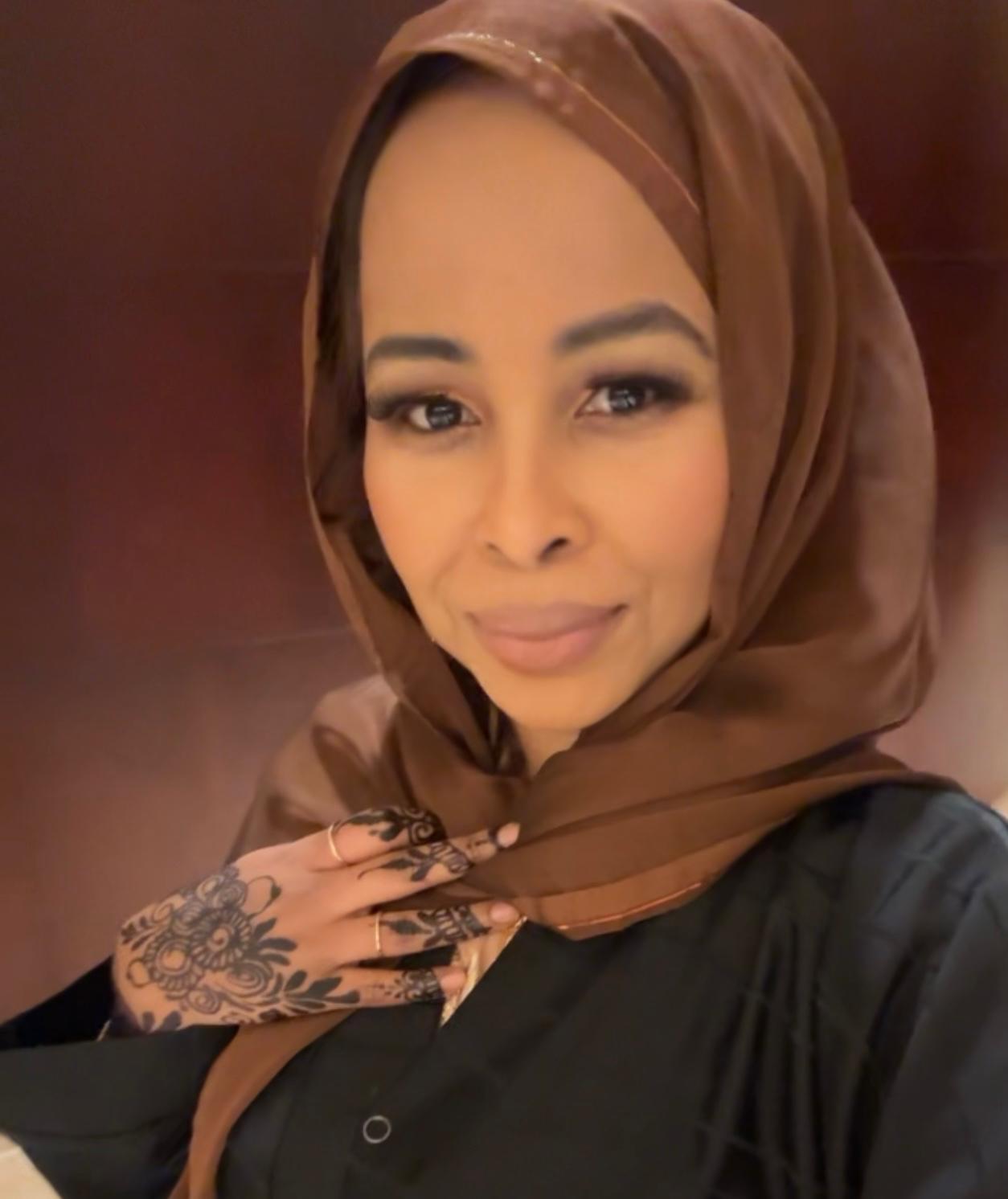
Somali marriage is one of the most celebrated events in Somali culture. It brings together families, strengthens communities, and fulfils one of the most important obligations in Islam. Yet for many young Somalis, especially those in the diaspora, the full picture of Somali marriage traditions can feel fragmented, passed down in bits and pieces between generations.
This guide brings it all together: from the first stages of seeking a spouse to the wedding celebrations and beyond.
The Foundations: Islam and Somali Culture
Somali marriage traditions sit at the intersection of two powerful forces: Islamic law and Somali cultural practice. Understanding where each begins and ends is important.
Islamic requirements for marriage:
- Consent of both the bride and groom
- A waliyy (guardian) for the bride
- Two witnesses
- Mahr (meher), a gift from the groom to the bride
- The nikah contract itself
Somali cultural additions:
- Extended family involvement and negotiation
- Specific celebration customs (aroos, dirac, shaash saar)
- Community responsibility and honour
- Clan (qabiil) considerations
- Oral poetry and blessings
The strongest Somali marriages honour both, fulfilling Islamic obligations while celebrating cultural traditions.
Stage 1: Guur-Doon (Seeking Marriage)
Every marriage begins with guur-doon, the active pursuit of finding a spouse. In Somali culture, this is an open, family-involved process.
How Guur-Doon Traditionally Works
The family decides it's time. This often starts with the mother (hooyo), who begins quietly assessing potential families. She'll consult her network, including other mothers, aunties, and community members, to identify suitable matches.
Key considerations include:
- Deen (faith): Is the person and their family practising?
- Character (dabeecad): What is their reputation?
- Family (qoys): Are they from a respectable, stable family?
- Compatibility: Education, lifestyle, location, goals
- Qabiil (clan): While Islam doesn't require clan compatibility, it remains a factor in many Somali families
Guur-Doon in the Diaspora
In the diaspora, guur-doon has evolved. With smaller communities and scattered networks, many Somalis are turning to technology to supplement the traditional process. Platforms like Sahan help bridge the gap, connecting verified Somali Muslims across the globe while preserving the values of traditional guur-doon.
Stage 2: Shukaansi (Getting to Know Each Other)
Once a potential match is identified, the shukaansi (getting-to-know) phase begins. This is the Somali version of courtship, but it's not dating in the Western sense.
Halal Shukaansi Looks Like:
- Family awareness: Both families know the conversation is happening
- Purpose-driven: The intention is clearly marriage, not casual connection
- Respectful boundaries: Conversations focus on compatibility, values, and life goals
- Time-limited: It doesn't drag on indefinitely; both parties move toward a decision
- Chaperoned meetings: When meeting in person, a family member is typically present
What to Discuss During Shukaansi
- Religious practice and expectations
- Life goals, career, and education
- Where you want to live
- Views on family involvement in married life
- Financial expectations and responsibilities
- How you handle conflict
- Children and parenting values
Stage 3: Doonis / Proposal (Formal Interest)
When both sides are interested, the process moves to the doonis, a formal expression of intent. The groom's family visits the bride's family to officially express their interest in marriage.
This is often a delegation: the groom's father, uncles, or respected male relatives visit the bride's family home. They may bring small gifts and present their case for why the marriage would be blessed.
The bride's family takes time to consider. They may:
- Consult the bride privately (her consent is essential)
- Ask about the groom's character from independent sources
- Discuss among themselves before giving an answer
If the answer is yes, negotiations move forward.
Stage 4: Gabati / Gorshay (Negotiations)
The gabati is the formal negotiation between the two families. This is where the practical terms of the marriage are discussed:
Meher (Mahr)
The meher is the bride's Islamic right, a gift from the groom that belongs to her alone. It can be money, gold, property, or anything of value agreed upon.
In Somali culture, meher negotiations can be sensitive. Some families set high amounts as a matter of pride; Islamic guidance encourages moderation. The Prophet (peace be upon him) said: "The best of marriages are those that are easiest." (Abu Dawud)
The meher should be agreed upon with mutual respect. It is the bride's right, and she should not be pressured to reduce or forgo it. Equally, families should not make the meher a barrier to marriage.
Other Negotiations
- Wedding costs: Who pays for what? In many Somali families, both sides contribute
- Living arrangements: Where will the couple live?
- Timeline: When will the nikah take place? When is the aroos?
Stage 5: Nikah (The Marriage Contract)
The nikah is the Islamic marriage contract, the religious and legal foundation of the marriage. It's a sacred moment that transforms two individuals into a married couple.
What Happens at the Nikah
- The imam opens with a khutbah (sermon) about the importance of marriage in Islam
- The waliyy (bride's guardian, typically her father) gives his consent
- The groom accepts the marriage and states the agreed meher
- Two witnesses confirm the contract
- The contract is signed by both parties
- Dua is made for the couple's happiness and barakah
The Prophet (peace be upon him) said: "Announce marriages." (Tirmidhi). The nikah should not be secret. It's a public declaration of a sacred commitment.
Nikah Customs in Somali Culture
- The nikah often takes place at the masjid, though it can happen anywhere
- A separate women's gathering may accompany the nikah ceremony
- Elders offer blessings and advice
- It is common for the nikah and aroos to happen on different days
Stage 6: Aroos (The Wedding Celebration)
The aroos is the celebration. In Somali culture, it's an event. Often spanning multiple days, the aroos is a joyous community affair.
Key Events During the Aroos
Shaash Saar (Bridal Crowning) One of the most iconic Somali wedding traditions. The bride's head is wrapped in a beautiful shawl (shaash) by married women from the groom's family. This symbolises her transition into married life and her welcome into the new family. It's an emotional, celebratory moment filled with singing and ululation.
Buraanbur (Women's Poetry) Somali women perform buraanbur, traditional poetry and song, at weddings. These performances celebrate the bride, bless the marriage, and showcase the wit and eloquence of Somali women. It's an art form passed down through generations.
Dirac and Garbasaar The bride wears a dirac (a traditional Somali dress) with a garbasaar (shawl) draped over her shoulders. Somali brides are known for their elegant, colourful attire, often changing outfits multiple times throughout the celebration.
Food and Feasting No Somali wedding is complete without food. Expect rice (bariis), goat meat (hilib adhi), sambusa, halwa, and more. The food is a community offering, and generosity at weddings is a point of family pride.
Community Gathering The aroos is a community event. Hundreds of guests are common. It's a time for families to reconnect, for the community to celebrate, and for the couple to receive blessings and well-wishes.
After the Wedding: Building a Home
Marriage in Somali culture doesn't end with the aroos. Building a home, a guri, is the real work.
What Somali Elders Teach About Marriage
- Patience (sabr): The first year is an adjustment. Give each other grace
- Respect: Treat your spouse as you'd want to be treated, always with adab
- Family ties: Maintain strong relationships with both families
- Communication: Don't let problems fester. Address issues with wisdom
- Gratitude: Thank Allah for your spouse and show appreciation daily
Preserving Somali Marriage Traditions in the Diaspora
For Somalis abroad, preserving these traditions requires intentional effort:
- Teach the next generation. Don't assume your children will absorb traditions by osmosis
- Involve elders. Their wisdom bridges the gap between cultures
- Adapt, don't abandon. Technology and diaspora life may change the "how," but the "why" remains the same
- Prioritise deen. When culture and Islam conflict, Islam comes first
Where Sahan Fits In
Sahan exists to support the Somali marriage journey at every stage. From guur-doon to finding your calaf, our platform connects verified Somali Muslims who are serious about marriage, across 14+ countries, rooted in faith and culture.
We don't replace the traditional process. We strengthen it by expanding your reach while keeping your values intact.
Related Reading
- What is Guur-Doon? A Complete Guide to Somali Marriage Seeking
- Nikah in the Somali Community: What to Expect
- The Role of Family in Somali Matchmaking
- What is Calaf? Understanding Destiny in Somali Marriage
- Somali Marriage Glossary
Begin your guur-doon journey with Sahan. Connect with verified Somali Muslims worldwide who share your faith, your culture, and your commitment to marriage. Available on iOS and Android.
Ready to Find Your Match?
Join thousands of Somali Muslims finding meaningful connections through Sahan.