
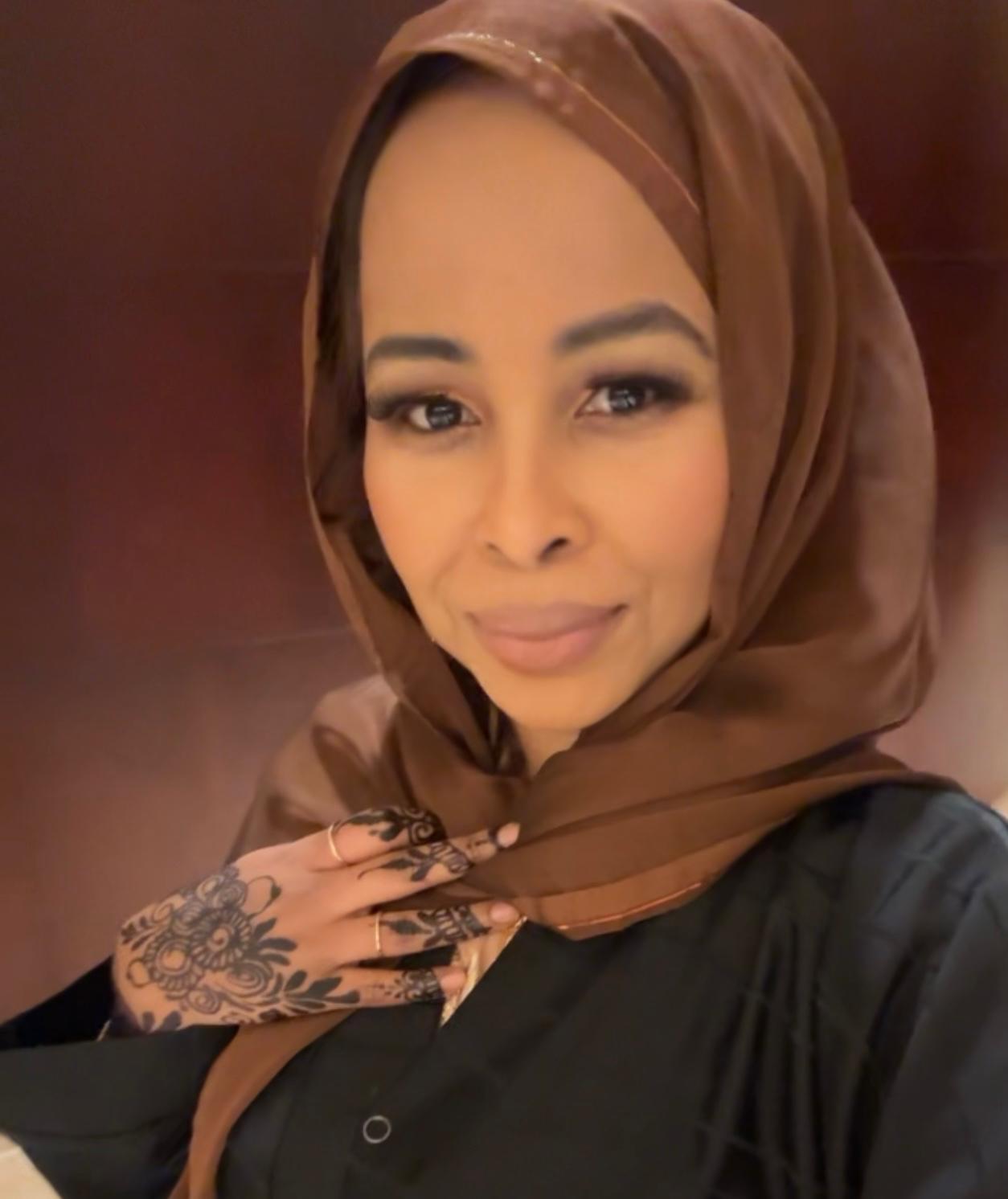
The nikah is the most sacred moment in the Somali marriage journey. It's the Islamic contract that transforms two individuals into husband and wife, a covenant before Allah, witnessed by family and community. Whether you're approaching your nikah or simply want to understand the process, here's what to expect.
What is a Nikah?
Nikah is the Arabic word for the Islamic marriage contract. In Somali, the nikah ceremony is sometimes referred to as aqd or simply as part of the guur (marriage) process. It is the religious and legal foundation of every Muslim marriage.
The nikah is not a cultural tradition. It's an Islamic obligation. Without a valid nikah, a couple is not married in Islam, regardless of any cultural celebrations that may take place.
Requirements for a Valid Nikah
Islamic law sets clear requirements for a nikah to be valid:
1. Consent of Both Parties
Both the bride and groom must freely consent to the marriage. Forced marriage is not permissible in Islam. The Prophet Muhammad (peace be upon him) annulled marriages where the bride's consent was not obtained.
In Somali culture, the bride's consent is typically confirmed privately, often by a female relative or the imam, before the ceremony proceeds.
2. Waliyy (Guardian)
The bride must have a waliyy, typically her father. If her father is unavailable, the role passes to her grandfather, brother, uncle, or another male relative in sequence. In the absence of family, an imam or community leader may serve as waliyy.
The waliyy's role is to protect the bride's interests, ensure the marriage is appropriate, and formally give consent on her behalf. This is not about control. It's about protection and family involvement, values deeply held in Somali culture.
3. Two Muslim Witnesses
At least two adult Muslim witnesses must be present to observe and confirm the marriage contract. In Somali nikah ceremonies, there are often many more than two witnesses, as the community is typically invited.
4. Meher (Mahr)
The meher is the mandatory gift from the groom to the bride. It must be agreed upon before the nikah and stated during the ceremony. The meher belongs exclusively to the bride.
In Somali tradition, meher negotiations happen during the gabati stage, often well before the nikah day. The amount should be agreed upon mutually, with Islamic guidance encouraging moderation.
5. Ijab and Qabul (Offer and Acceptance)
The formal offer (usually from the waliyy) and acceptance (from the groom) must be clearly stated and witnessed. This is the core of the nikah contract, the moment the marriage becomes official.
The Somali Nikah Ceremony
While the Islamic requirements are universal, Somali nikah ceremonies have their own cultural flavour:
Before the Ceremony
- Preparation: Both families prepare for the day. The bride may have a henna ceremony (xino) the night before or in the days leading up
- Dress: The groom typically wears a suit or traditional Somali attire. The nikah is usually more formal than casual
- Gathering: Family members, friends, and community members arrive at the venue, often a masjid, community hall, or family home
The Ceremony Itself
1. Opening khutbah: The imam begins with a sermon about marriage in Islam, its importance, its blessings, and the responsibilities it carries. Relevant Quranic verses and ahadith are shared.
2. Confirmation of consent: The imam confirms that both the bride and groom consent to the marriage. The bride's consent may be confirmed privately beforehand.
3. Statement of meher: The agreed-upon meher is stated publicly. This is both an Islamic requirement and a public acknowledgement of the bride's right.
4. Ijab and qabul: The waliyy offers the bride in marriage, and the groom accepts. This is typically done in Arabic, though the imam may translate or explain in Somali and English.
5. Dua: The imam makes dua for the couple, for barakah (blessing) in their marriage, love, mercy, and a righteous family.
6. Signing: The marriage contract is signed by the couple and witnesses. Some communities have a formal written contract; others rely on verbal agreement with witnesses.
7. Congratulations: The gathering congratulates the couple. In Somali tradition, this is often accompanied by ululation from the women, handshakes, and well-wishes.
After the Nikah
In Somali culture, the nikah and the aroos (wedding celebration) often happen on different days. The nikah is the Islamic contract; the aroos is the communal celebration. Some families hold them together, while others separate them by days, weeks, or even months.
After the nikah, the couple is Islamically married. However, many Somali families consider the aroos as the social completion of the marriage, the public celebration that brings the two families and the community together.
Common Questions About Somali Nikah
Can the nikah happen at home? Yes. There's no Islamic requirement for the nikah to take place at a masjid. It can happen at home, in a community hall, or anywhere appropriate. Many Somali families hold intimate nikah ceremonies at home, with the larger aroos celebration at a venue.
How long does the nikah take? The ceremony itself is typically 30-60 minutes, including the khutbah, contract, and dua. It's the simplest part of the marriage. The beauty is in its straightforward sincerity.
What if the father isn't available as waliyy? The role passes to the next male relative: grandfather, brother, uncle. If no family member is available, an imam or respected community elder can serve as waliyy.
Is the nikah legally recognised in Western countries? In most Western countries, a nikah alone is not legally recognised as a civil marriage. Couples typically also register a civil marriage at a registry office. Many Somali couples do both: nikah for their Islamic obligation and civil registration for legal rights.
Can the couple set conditions in the nikah contract? Yes. Islamic law allows both parties to include agreed-upon conditions in the nikah contract, such as the wife's right to work, education goals, living arrangements, or other matters. This is actually encouraged for clarity and mutual understanding.
Preparing for Your Nikah
If your nikah is approaching, here's how to prepare:
- Discuss meher openly. Agree on an amount that is fair and manageable, respecting both Islamic guidance and cultural expectations
- Choose your waliyy. Confirm who will serve as the bride's guardian
- Select witnesses. Choose two trustworthy Muslim witnesses
- Meet with the imam. Discuss the ceremony format, any conditions for the contract, and logistics
- Make istikhara. Pray for Allah's guidance and blessing on the marriage
- Prepare your heart. The nikah is a covenant with Allah. Approach it with sincerity, gratitude, and the intention to build a marriage that pleases Him
The Beginning, Not the End
The nikah is not the finish line. It's the starting point. It's the foundation upon which everything else is built: the aroos, the home, the family, the life together. Approach it with the seriousness and joy it deserves.
May Allah bless every couple who enters into nikah with love, mercy, and barakah.
Related Reading
- The Complete Guide to Somali Marriage Traditions
- What is Guur-Doon? A Complete Guide to Somali Marriage Seeking
- Shukaansi vs Dating: The Somali Approach
- The Role of Family in Somali Matchmaking
- What is Nikah?
Find the person you'll make nikah with. Download Sahan, the Somali marriage app. Available on iOS and Android.
Ready to Find Your Match?
Join thousands of Somali Muslims finding meaningful connections through Sahan.