
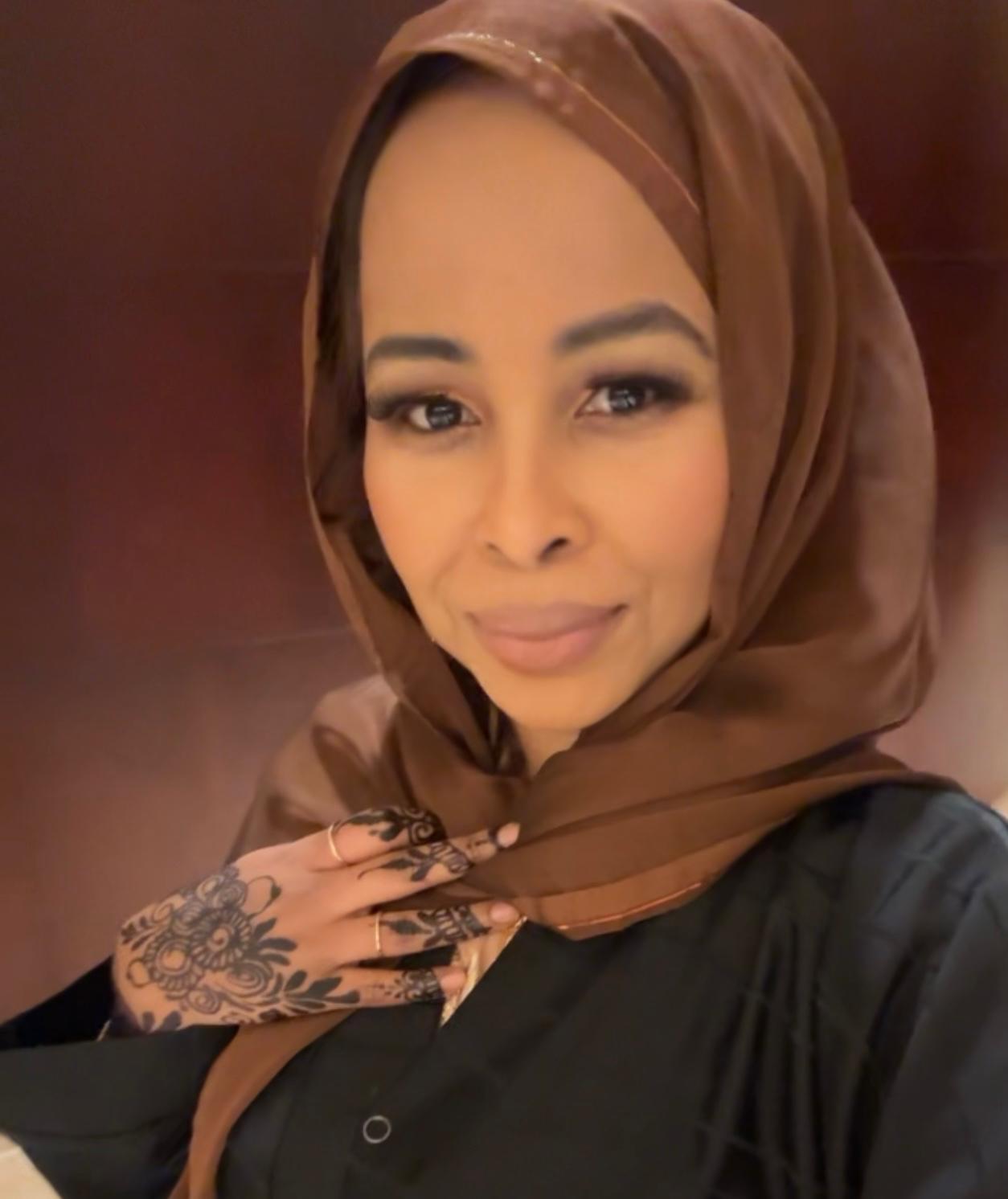
The UK is home to one of the largest Somali communities in Europe. Over 200,000 British Somalis live across the country, in London, Birmingham, Bristol, Manchester, Leicester, Sheffield, Cardiff, and beyond. For many young British Somalis, the question isn't whether to marry, but how to find the right person in a diaspora context.
The Traditional Way: Hooyo's Network
For generations, Somali matchmaking worked through family networks. Your mother talks to her friend. Her friend mentions a family she knows. Information is exchanged, families assess compatibility, and introductions are arranged.
This system, rooted in guur-doon (seeking marriage), works beautifully when communities are close-knit and everyone knows everyone. In Somalia, in smaller diaspora communities, this network is incredibly effective.
But in the UK, things are more complicated.
Why It's Harder in the UK
Scattered Communities
Somalis in the UK aren't concentrated in one place. London alone has Somali communities spread across Tower Hamlets, Ealing, Camden, Brent, and Southall, each with their own social circles. Then there's Birmingham, Bristol, Manchester, Leicester, Sheffield, Cardiff, and Liverpool. Your hooyo's network might cover her city, but what about the next one over?
Generational Shifts
Many young British Somalis were born or raised in the UK. They've studied at British universities, built careers, and navigate both Somali and British identities daily. Sometimes their vision of marriage doesn't perfectly align with their parents' expectations, not in values, but in process.
A first-generation parent might expect the traditional gabati (negotiation) process to unfold exactly as it would back home. A British-born Somali might want more input into who they're introduced to and how the conversation progresses. Neither is wrong, but bridging the gap requires understanding from both sides.
The Professional Dilemma
Young Somali professionals in London, Birmingham, and Manchester are often busy building careers. Medical students, lawyers, engineers, teachers: their schedules don't always leave room for the traditional guur-doon process. Community events happen on weekends, but attending every gathering isn't always possible.
Privacy in Small Communities
Here's a tension specific to diaspora life: Somali communities in UK cities are large enough to have options, but small enough that everyone talks. Many young Somalis want to explore marriage possibilities without the entire community knowing, at least until they're serious about someone.
How British Somalis Are Adapting
Family Remains Central
Despite the challenges, family involvement in marriage remains strong among British Somalis. Most still want their parents' blessing and involvement. The difference is in when and how family gets involved. Increasingly, young people identify potential matches first and then bring families in, rather than the other way around.
Community Events
Somali community organisations across the UK regularly host events: Islamic lectures, charity dinners, cultural gatherings. These create natural opportunities for meeting potential spouses in a halal, community-approved setting. Cities like London and Birmingham have particularly active event scenes.
Masjid Connections
Imams and masjid communities sometimes play a matchmaking role, connecting families who are looking. This is particularly common in close-knit communities like Bristol and Cardiff, where the Somali community has deep roots.
Technology: The Modern Bridge
This is where the shift is most visible. Young British Somalis are increasingly turning to technology, but not just any technology. Generic dating apps feel wrong for a community rooted in Islamic values. Even Muslim-focused apps often miss the cultural nuances that matter to Somalis.
This is exactly why Sahan was built. It bridges the gap between traditional guur-doon and modern life:
- Verification means you know who you're talking to
- Marriage intention is clear from the start, no ambiguity
- Cultural understanding: the app gets Somali customs and values
- Cross-city reach: connect across the entire UK, not just your local area
- Privacy: control who sees your profile and when
Making It Work as a British Somali
Whether you're using family networks, community events, or technology, here are principles that British Somalis find helpful in the guur-doon journey:
1. Be clear about your intentions. Whether talking to family or using an app, clarity about wanting marriage removes ambiguity and attracts the right people.
2. Involve your family at the right time. You don't have to choose between complete family control and doing it alone. Many successful British-Somali couples started conversations on their own and brought families in once both were interested.
3. Don't limit yourself geographically. Your calaf might be in another UK city, or another country entirely. Being open to a wider search dramatically increases your chances.
4. Maintain your standards. Don't settle because of pressure or timeline anxiety. The right person at the right time is better than the wrong person right now.
5. Make dua consistently. The spiritual dimension of guur-doon is real. Make sincere supplication and trust in Allah's timing while making your effort.
Your Calaf is Out There
The British-Somali community is young, ambitious, and growing. There are thousands of marriage-minded Somali Muslims across the UK looking for the same thing you are: a spouse who shares their faith, understands their culture, and is ready to build a life together.
The traditional guur-doon process isn't broken. It just needs a modern bridge. And that bridge is here.
Related Reading
- Somali Marriage in America: Challenges and Solutions
- Somali Marriage in Scandinavia: A Growing Community
- What to Look for in a Somali Marriage App
- The Role of Family in Somali Matchmaking
- Somali Marriage in the UK
Find your spouse across the UK with Sahan. Download free on iOS and Android.
Ready to Find Your Match?
Join thousands of Somali Muslims finding meaningful connections through Sahan.