
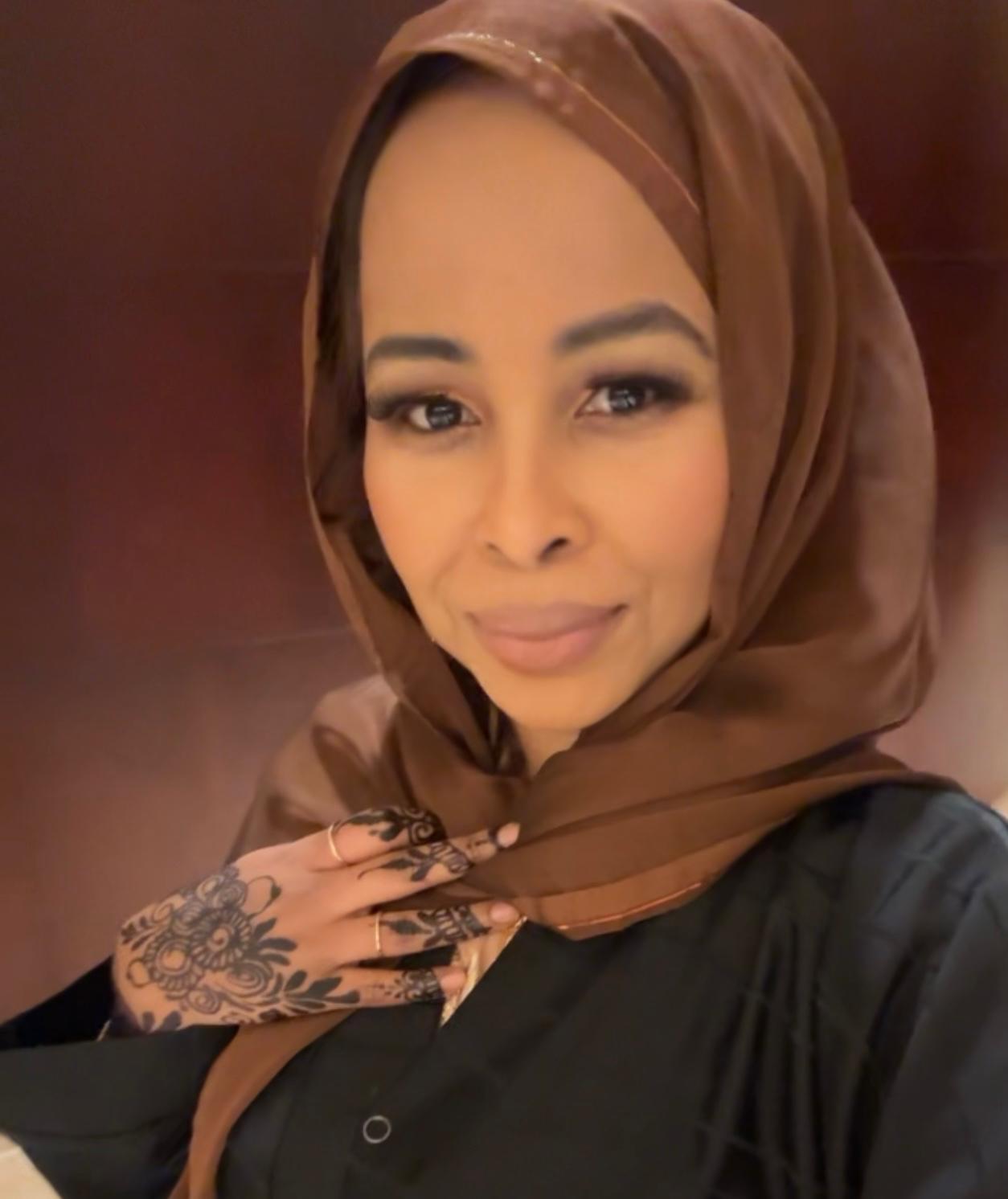
America is home to one of the fastest-growing Somali communities in the world. From the vibrant streets of Cedar-Riverside in Minneapolis to the neighbourhoods of Columbus, Ohio, Somali Americans are building lives that honour their heritage while embracing new opportunities.
But when it comes to marriage, one of the most important decisions in Somali and Islamic life, the American context brings its own set of challenges.
The Somali-American Marriage Landscape
The Numbers
An estimated 150,000-200,000 Somali Americans live across the United States, with the largest concentrations in Minneapolis-St. Paul, Columbus, Seattle, San Diego, and the Washington D.C. metro area. Community organisations suggest the true number is even higher.
The Ambition
Somali Americans are among the most ambitious immigrant communities in the country. Young Somali Americans are graduating from top universities, entering professional careers, starting businesses, and running for public office. This ambition is a source of pride, but it also creates unique marriage dynamics.
The Challenges
1. The Geography Problem
Unlike in Somalia where communities are concentrated, or even the UK where cities are relatively close together, America is vast. The Somali community in Minneapolis is separated from Columbus by over 700 miles. Seattle is nearly 1,700 miles from Minneapolis. San Diego is in a different world entirely.
This means that if you limit your guur-doon to your local community, your options are constrained, sometimes severely. A young Somali professional in Phoenix or Atlanta might have only a handful of marriage-age Somalis in their immediate circle.
2. The Cultural Tug-of-War
American culture celebrates individualism. Somali culture values community. For young Somali Americans, marriage exists at the intersection of these two forces.
Questions that wouldn't arise in Somalia become real dilemmas:
- How much should my parents be involved in choosing my spouse?
- Is it okay to find someone on my own and then introduce them to family?
- What if the person I'm interested in isn't from the "right" qabiil?
- How do I balance American career expectations with Somali marriage timelines?
These aren't easy questions. They require wisdom, patience, and open communication between generations.
3. The Education and Career Delay
Many Somali Americans are pursuing higher education: bachelor's degrees, master's programmes, medical school, law school. This is excellent for the community's future, but it often pushes marriage timelines later than traditional Somali norms expect.
A 26-year-old Somali American in medical school isn't being "picky" or "delaying unnecessarily." They're building a future. But family pressure to marry "at the right age" can create stress and misunderstanding.
4. The Compatibility Challenge
Somali Americans are diverse in their experiences. A second-generation Somali raised in Minneapolis may have very different cultural sensibilities than someone who arrived in the US more recently. Finding someone who matches your specific blend of Somali culture, Islamic practice, and American experience requires a wider search than your local masjid might provide.
5. Limited Halal Options
Mainstream dating apps are built for American dating culture: swipe, match, date casually, maybe eventually commit. This doesn't align with Somali Muslim values. Even Muslim-focused apps often treat all Muslim communities as interchangeable, missing the specific cultural dynamics that make Somali marriage unique.
The Solutions
Expand Your Search Radius
Your calaf might not be in your city. The most successful Somali-American couples increasingly come from cross-city or even cross-state connections. Be open to someone in another part of the country. Technology makes distance manageable in the getting-to-know phase.
Communicate Across Generations
Have honest conversations with your parents about how you envision the guur-doon process. Most Somali parents want the same thing you do: a good spouse from a good family. The disagreement is usually about process, not outcome. Finding a middle ground where you both feel respected makes the journey smoother.
Use Technology Wisely
Not all apps are created equal. Choose platforms built for your community and values. Sahan was designed specifically for Somali Muslims who are serious about marriage, with verification, cultural understanding, and a marriage-first approach that generic apps don't offer.
Stay Connected to Your Community
Even if you're using technology, don't abandon community connections. Attend events, stay active at your masjid, and let trusted people know you're looking. The best outcomes often come from a combination of traditional networks and modern tools.
Don't Compromise on What Matters
Pressure from family, friends, or society might tempt you to settle. Don't. Compromise on preferences (location, profession, specific background), but never on fundamentals (deen, character, compatibility, mutual respect). The right person is worth waiting for.
Make Dua and Trust the Process
The guur-doon journey is a test of faith. Make dua consistently, work on becoming the best version of yourself, take practical steps, and then trust in Allah's timing. Your calaf has been written. Your job is to seek while trusting.
A New Chapter for Somali-American Marriage
The Somali-American community is writing a new chapter, one where traditional values and modern realities coexist. Marriage remains central to Somali life, and the desire for halal, culturally grounded matchmaking is stronger than ever.
The challenges are real, but so are the solutions. With the right mindset, the right tools, and trust in Allah, finding your spouse in America is entirely possible.
Related Reading
- How Somali Muslims in the UK Find a Spouse
- Somali Marriage in Scandinavia: A Growing Community
- The Complete Guide to Somali Marriage Traditions
- What to Look for in a Somali Marriage App
- Somali Marriage in the USA
Connect with Somali Americans nationwide on Sahan. Download free on iOS and Android.
Ready to Find Your Match?
Join thousands of Somali Muslims finding meaningful connections through Sahan.